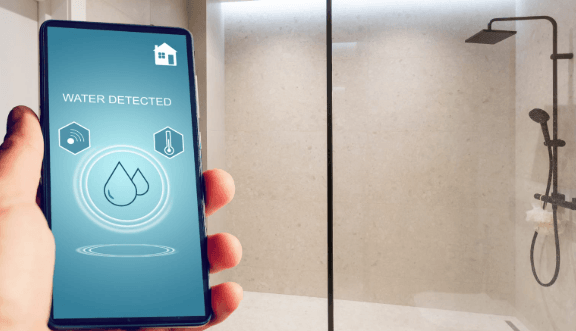
Modern home plumbing tech combines precision control with reliable materials and smart monitoring. Smart leak detectors with automatic shutoffs and remote alerts are reducing waste and damage, while tankless, modular systems cut standby losses and adapt to demand. AI-driven diagnostics analyze pressure, flow, and temperature to support proactive maintenance. The shift toward data-informed decisions invites homeowners to consider integration depth, cost-benefit, and long-term resilience as new systems mature. Opportunities and trade-offs merit closer examination.
What’s Driving Modern Home Plumbing Tech
The growth of smart home ecosystems, water-saving mandates, and heightened consumer awareness of maintenance costs are central drivers of modern home plumbing tech.
This trajectory favors smart faucets and durable copper piping, enabling precise flow control, quicker repairs, and longer system lifespans.
Adoption hinges on reliability, ease of integration, and measurable efficiency gains for homeowners seeking freedom from wasteful practices.
Smart Leak Detectors, Shutoffs, and Remote Monitoring
Smart leak detectors, automatic shutoffs, and remote monitoring systems are increasingly integrated to minimize water damage, reduce waste, and enable rapid response.
The approach combines smart sensors with scalable shutoff automation and continuous remote monitoring, allowing swift leak detection and isolation.
Practically, this reduces risk, supports maintenance, and informs preventive decisions without sacrificing personal freedom or privacy.
Tankless Systems and Water-Efficient Design
Analytical evaluation shows improved tankless efficiency through instantaneous heating, lower standby losses, and modular sizing.
Water reuse strategies, when integrated, enhance conservation without compromising comfort, aligning system performance with contemporary sustainability expectations and user autonomy.
AI Diagnostics and Proactive Maintenance Alerts
AI diagnostics and proactive maintenance alerts leverage data analytics to detect anomalies, predict component failures, and trigger timely interventions. By monitoring pressure, flow, and temperature signals, systems identify subtle shifts before leaks occur. This approach minimizes downtime, extends appliance life, and supports user autonomy. AI diagnostics enables informed decisions, while proactive maintenance reduces emergency repairs and optimizes long-term plumbing performance.
See also: 5G in Smart Cities Development
Frequently Asked Questions
How Expensive Are These Upgrades for a Typical Home?
The question: expensive upgrades vary, but typical costs depend on scope. Generally, expensive upgrades include smart systems with professional installation. Owners should compare options, consider ROI, and budget for both devices and labor, ensuring practical, freedom-centered decisions.
Do Smart Systems Require Professional Installation?
Smart systems often require professional installation for proper wiring, calibration, and safety; however, DIY capable homeowners may tackle basic components. Issue: The user asks for a one line, comma separated list of 2 two word discussion ideas about Subtopic not relevant to the Other H2s listed above. professional installation, DIY considerations.
What Maintenance Do These Devices Require Regularly?
Regular maintenance for these devices centers on device maintenance and smart sensors health: periodic battery checks or power supply verification, firmware updates, sensor calibration, leak indicator tests, and drainage/vent inspections; routine diagnostics ensure reliable, autonomous operation.
Can DIY Install Void Home Insurance Coverage?
DIY plumbing can void insurance coverage if installations are non-compliant or DIY mistakes trigger claims. Insurance voids often stem from improper permits, workmanship, or code violations, underscoring the need for licensed installation and thorough documentation.
How Secure Are Connected Plumbing Devices Against Hacking?
Are connected devices truly secure? They face substantial security risks and data privacy concerns; analysts note persistent vulnerabilities. A practical view: regular updates, strong authentication, segmenting networks minimize exposure, yet continued vigilance remains essential for freedom-loving users.
Conclusion
The article concludes that modern home plumbing technology centers on smart integration, dependable materials, and efficient design to reduce waste and risk. Smart leak detectors with automated shutoffs and remote monitoring enable rapid, data-driven responses, while tankless systems minimize standby losses. AI diagnostics offer proactive maintenance alerts, translating signals into actionable insight. Anachronistically, it echoes Victorian-era precision in a digital age, where every drop is measured, controlled, and optimized for reliability and cost savings.